Reasons to Lie — Director / Cinematographer
Reasons to Lie
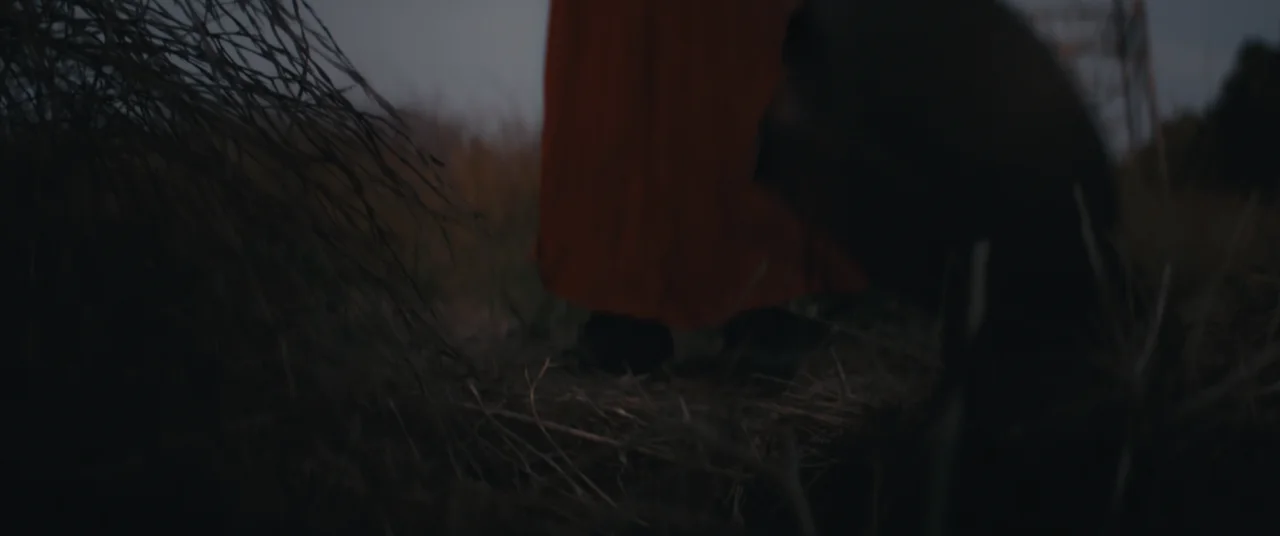
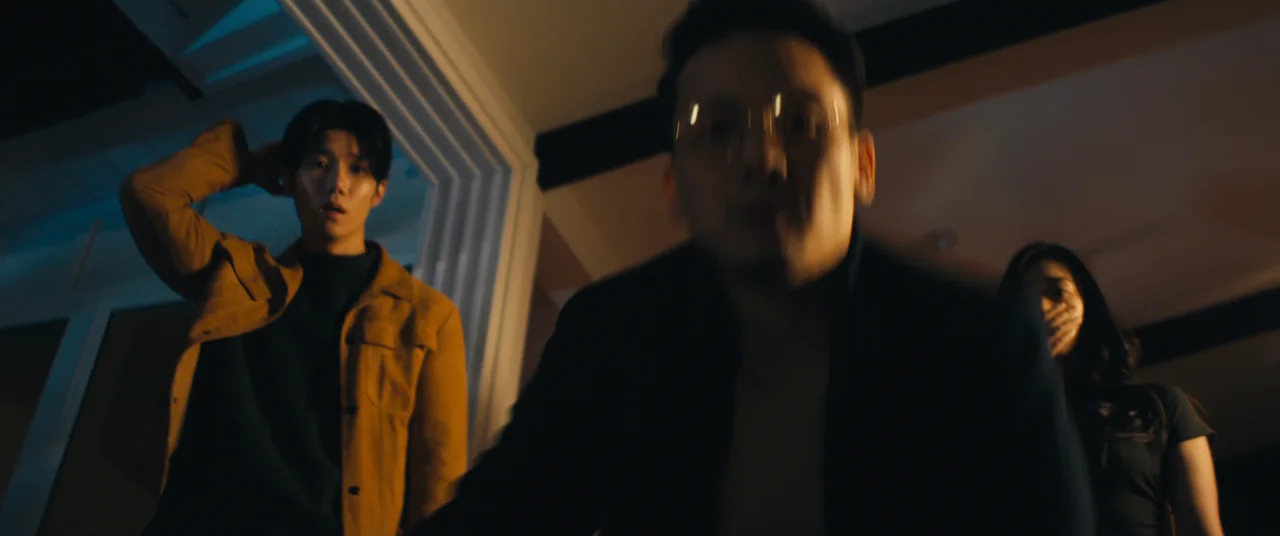
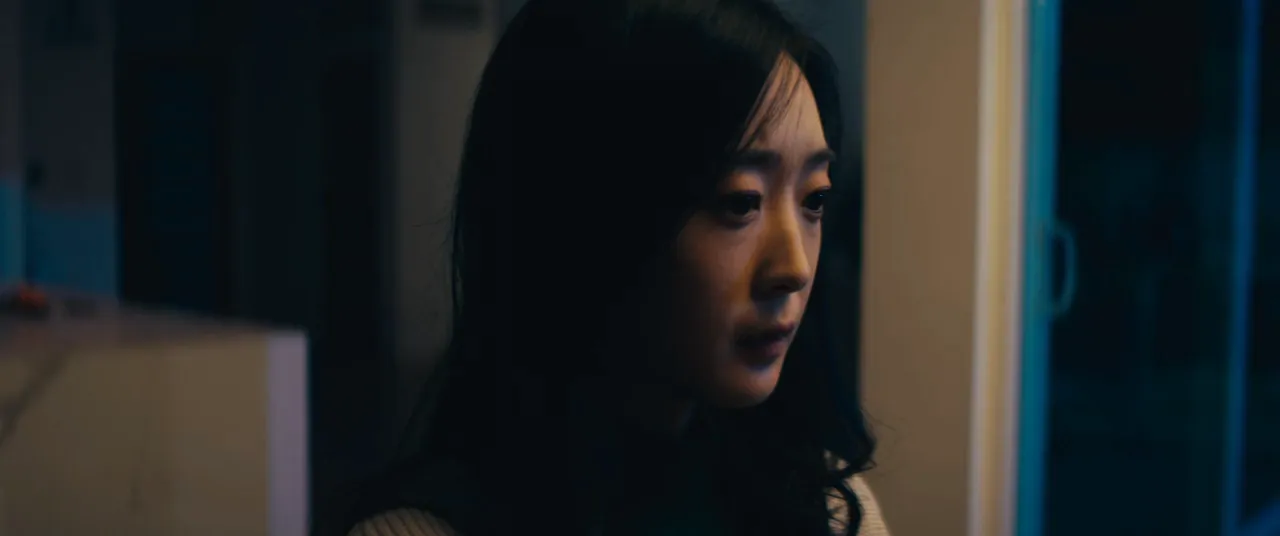
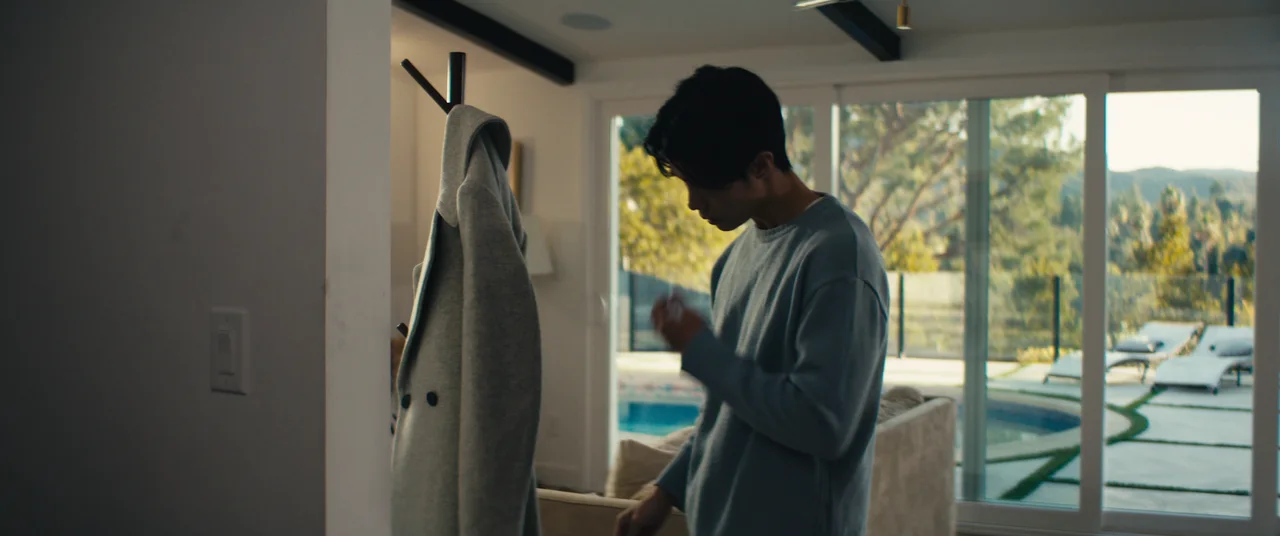
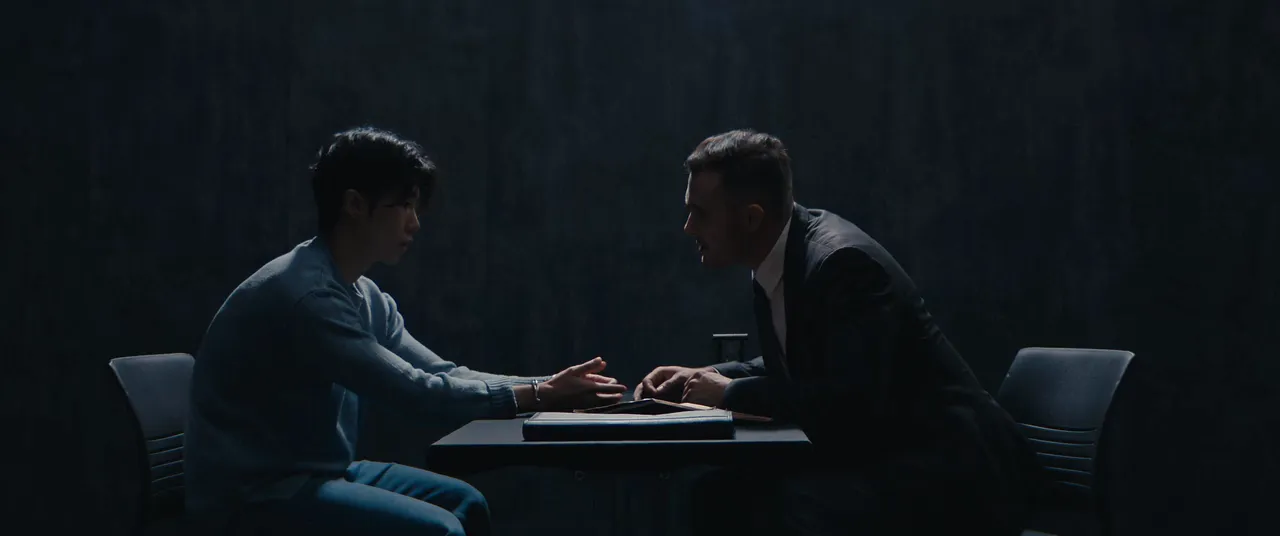
After their son's girlfriend is murdered, a family is questioned by the police, and every one of them confesses, each telling a different story.
- Role
- Director / Cinematographer
- Year
- 2024
- Genre
- Narrative · Mystery · Family Drama
- Format
- 2.39:1 · Digital
- Camera
- ARRI ALEXA 35 and ALEXA Mini
Love is a selfish virtue.
- In the name of love, families often justify silence, rewrite memory, and commit unforgivable acts—all while convincing themselves it’s for someone else’s sake.
- But what if they’re really protecting the idea of love, not the person?
- This film isn’t a whodunnit in the traditional sense.
- It’s a meditation on guilt and perspective—on how people construct their own truths to survive what they’ve done or allowed to happen.
- Every confession in this story contradicts another, yet each feels emotionally honest.
- Because the real mystery isn’t who killed Mary—it’s why everyone needs to believe they did.
Loyal Xie, director's statement
Emily Dickinson wrote: “Had I not seen the sun / I could have borne the shade / But Light a newer Wilderness / My Wilderness has made.”
Loyal Xie, director's statement
In Reasons to Lie, love isn’t redemptive. It’s murky, weaponized, and quietly devastating. This is not a film about truth. It’s about why we lie—especially to the ones we love most.
Loyal Xie, director's statement
Read the whole statement
In the name of love, families often justify silence, rewrite memory, and commit unforgivable acts—all while convincing themselves it’s for someone else’s sake. But what if they’re really protecting the idea of love, not the person?
This film isn’t a whodunnit in the traditional sense. It’s a meditation on guilt and perspective—on how people construct their own truths to survive what they’ve done or allowed to happen. Every confession in this story contradicts another, yet each feels emotionally honest. Because the real mystery isn’t who killed Mary—it’s why everyone needs to believe they did.
I structured Reasons to Lie as a cinematic puzzle. Fractured timelines, visual clues, and multiple testimonies allow the viewer to piece together the truth for themselves—or question whether a single truth even exists. In short films, we rarely see fully formed murder mysteries. I wanted to challenge that form: to compress suspense, subtext, and shifting dynamics into a tightly layered structure that invites active participation.
Emily Dickinson wrote: “Had I not seen the sun / I could have borne the shade / But Light a newer Wilderness / My Wilderness has made.”
That line captures the core of this film. Once love—or the illusion of it—is illuminated, its absence becomes unbearable. The characters in this story cling to love not to heal—but to make sense of their choices. It becomes a shield, a justification, a last refuge from what they can’t forgive in themselves.
In Reasons to Lie, love isn’t redemptive. It’s murky, weaponized, and quietly devastating. This is not a film about truth. It’s about why we lie—especially to the ones we love most.