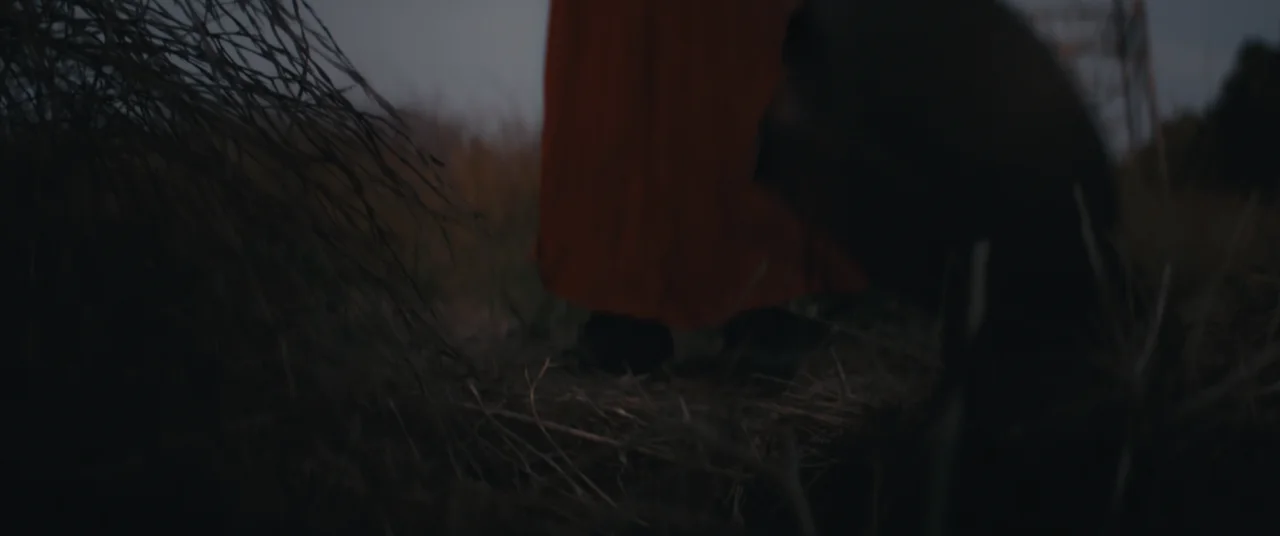
Yu — Director / Cinematographer
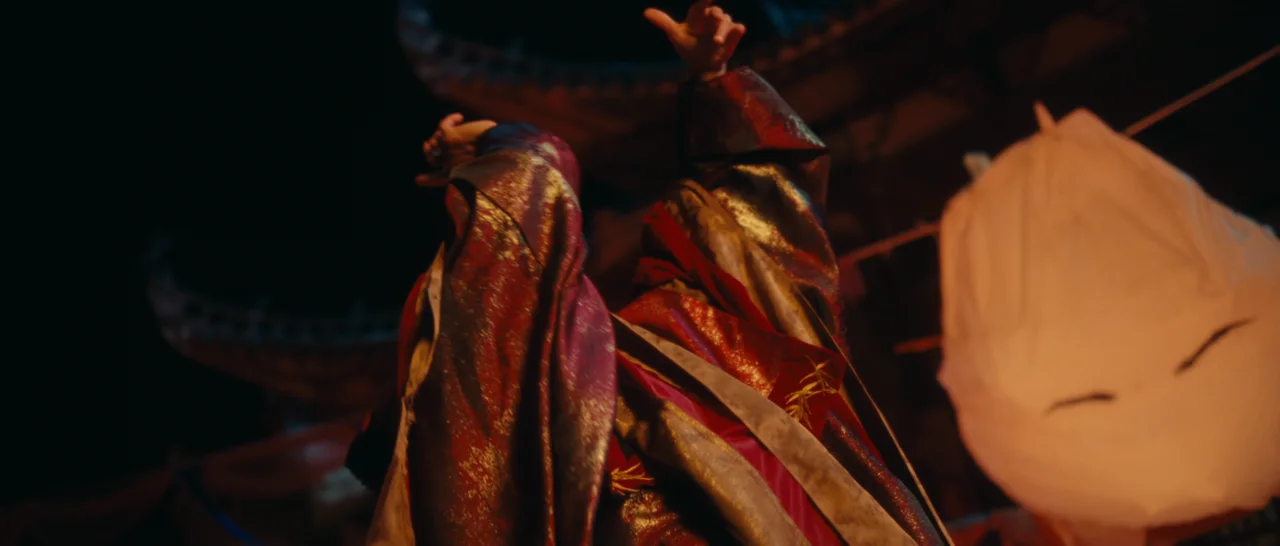
Yu
Famine grips a remote mountain village. A stubborn orphan girl meets a charming mystic who claims he can lift the curse.
- Role
- Director / Cinematographer
- Year
- 2025
- Genre
- Fantasy · Commentary · Drama
- Format
- 2.35:1 / 1.43:1 · Digital
- Camera
- ARRI ALEXA Mini LF
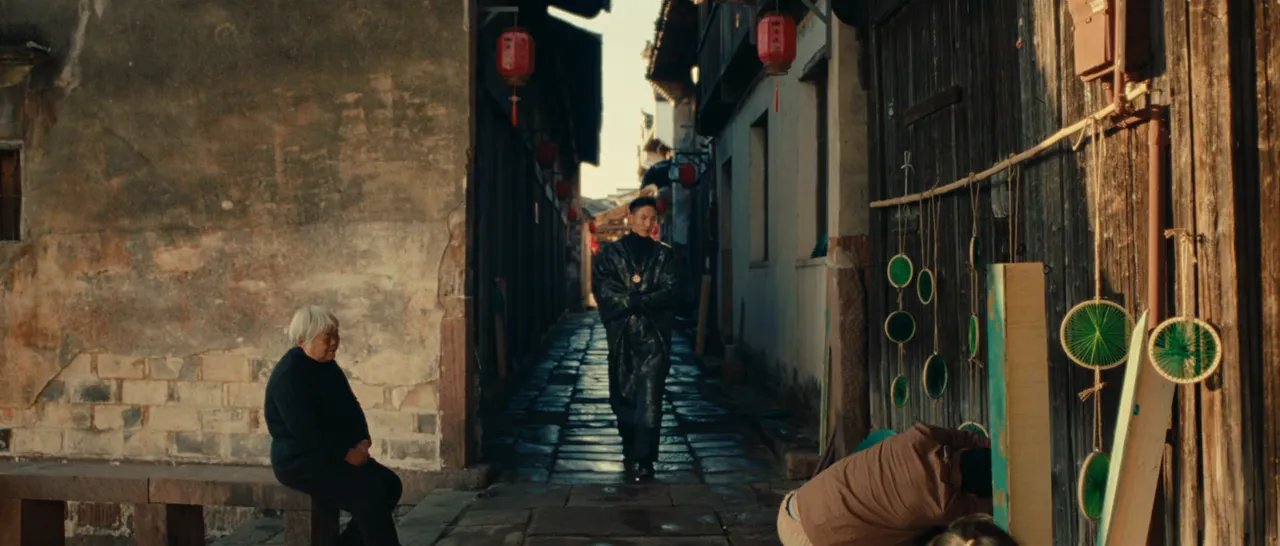
It wasn’t ignorance.
It was the terror of uncertainty.
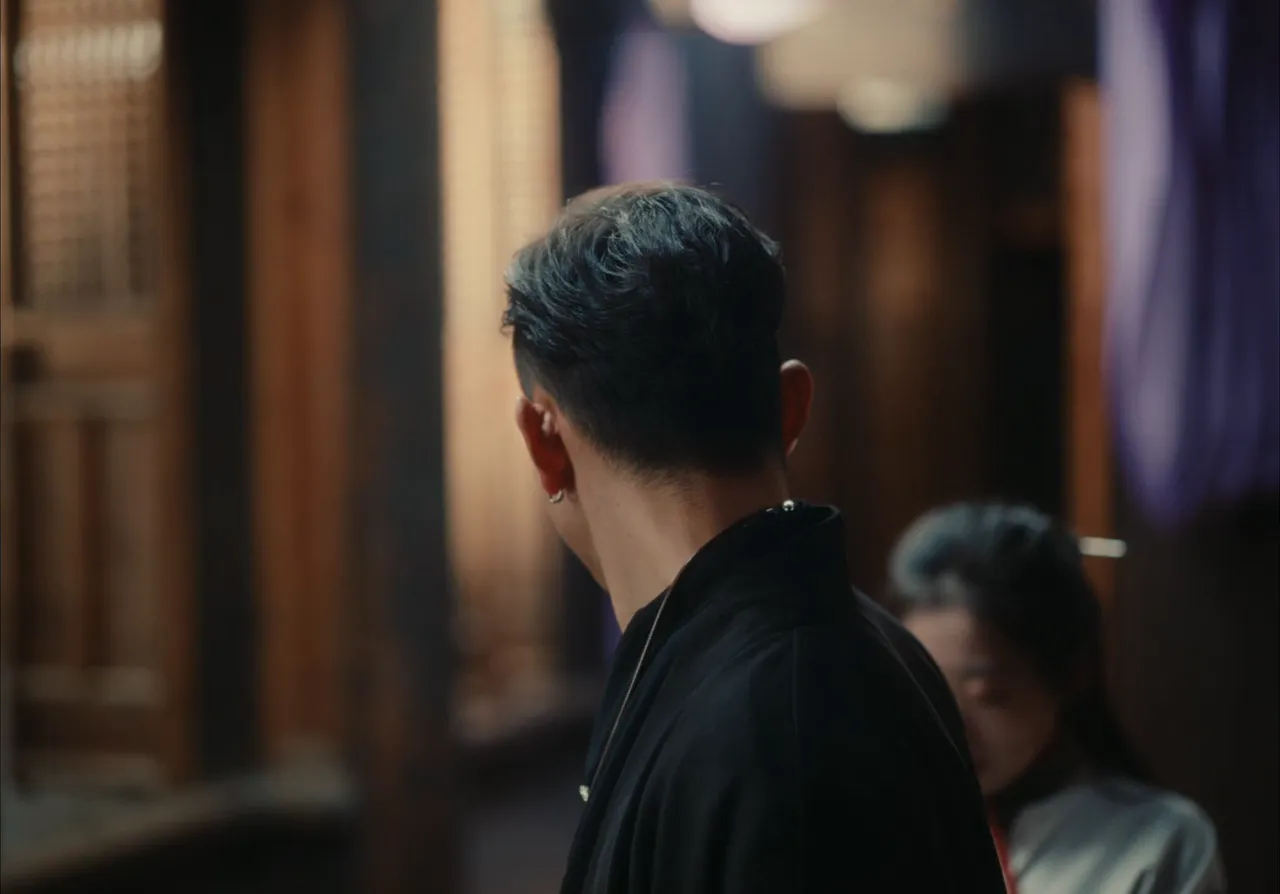
To admit it was coincidence would be to face a chaotic world.
So they made it sacred.
Fear seeks form.
And the easiest form is a scapegoat.
Loyal Xie, director's statement

I read that in some villages, people once tied stones to children and watched them sink—not in secret, but in ceremony.
Loyal Xie, director's statement
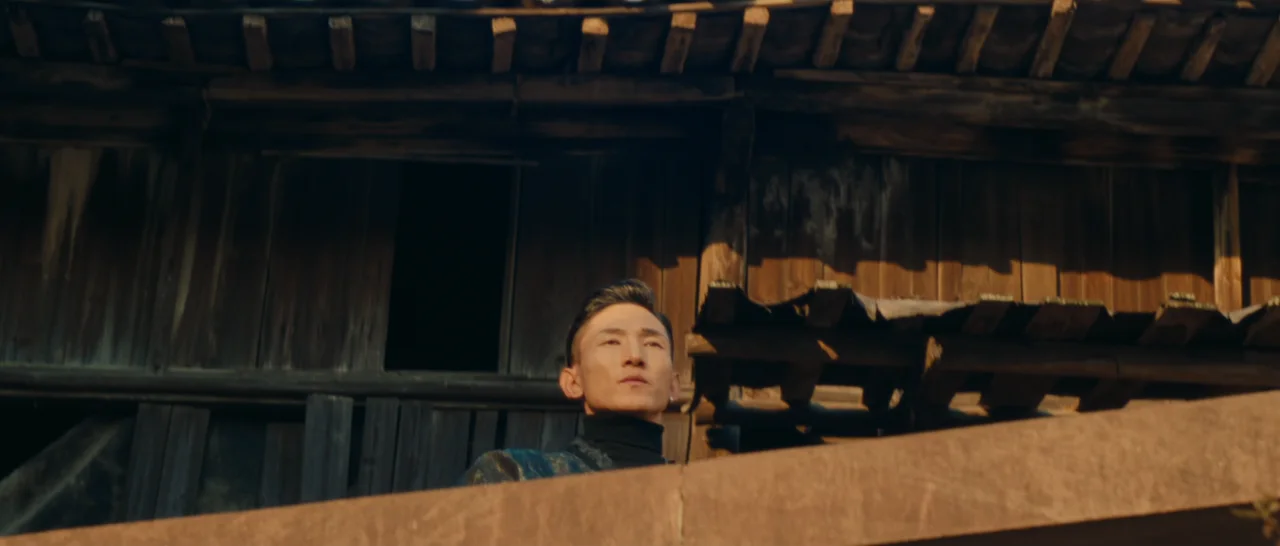
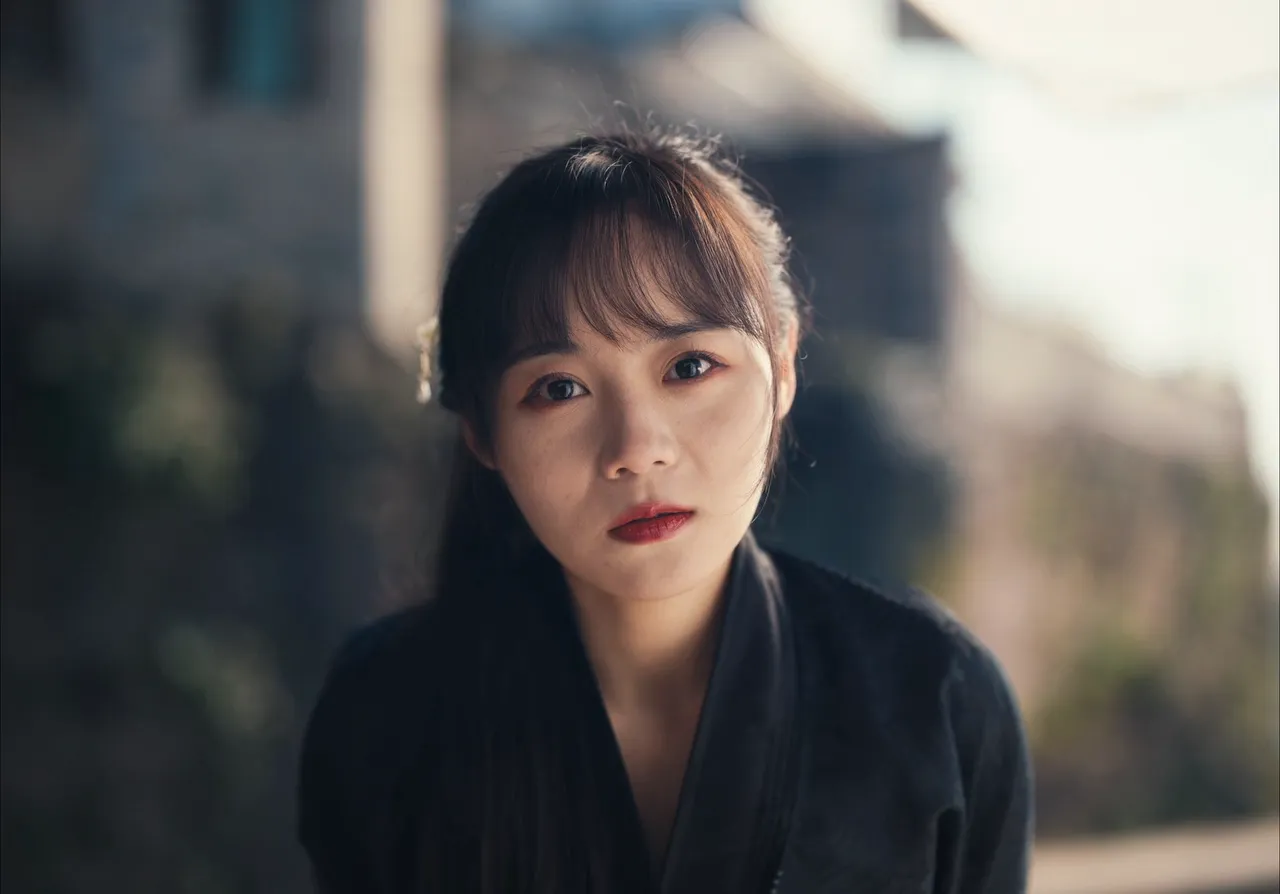
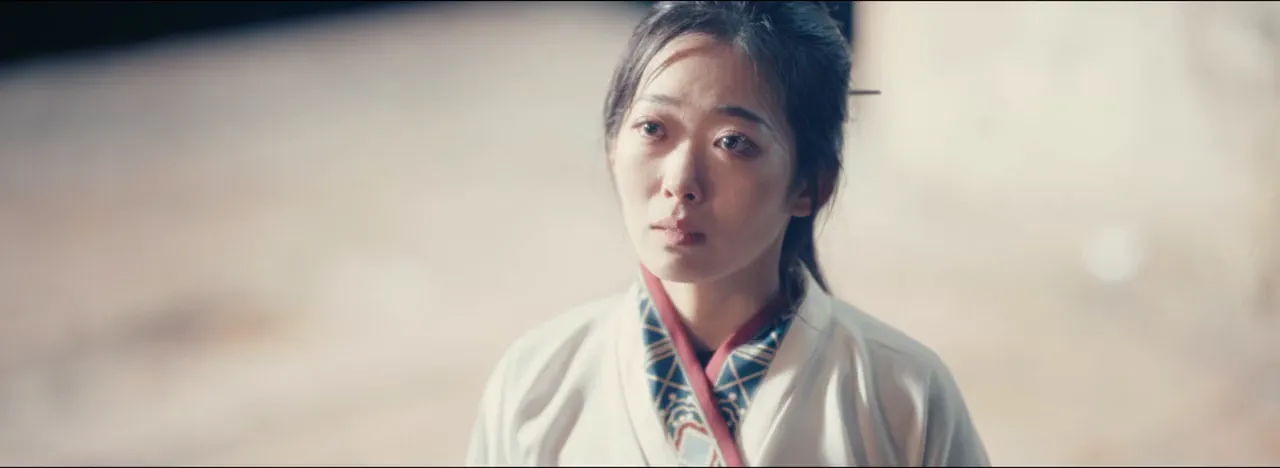
What “Yu” satirizes is this very instinct: our willingness to trade complexity for clarity, truth for unity, and strangers for peace of mind.
Loyal Xie, director's statement
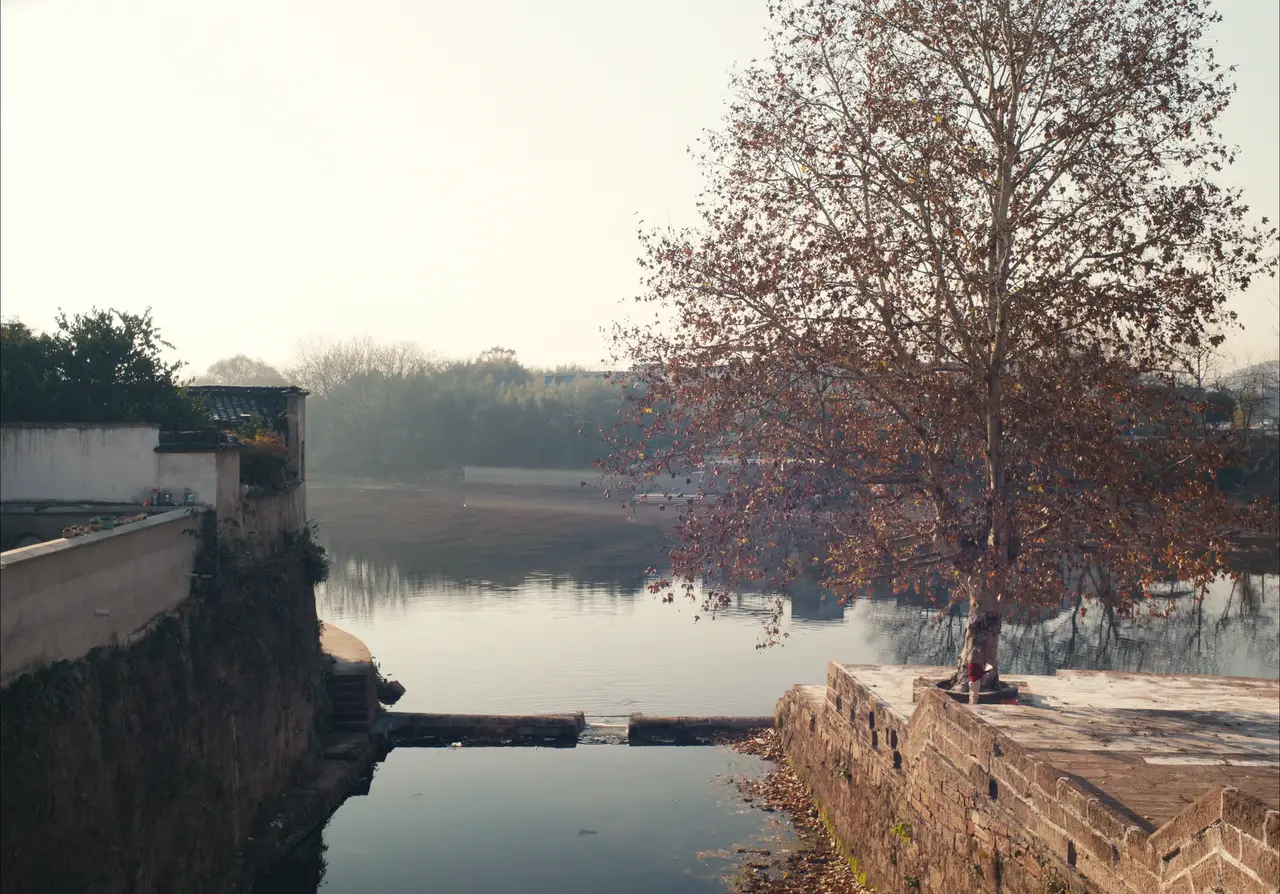
I made this film because I don’t understand how we keep doing this. But I see it happening. I see how silence becomes virtue. How doubt becomes betrayal. And how people feel safest when someone else is being blamed.
Loyal Xie, director's statement
Read the whole statement
I read that in some villages, people once tied stones to children and watched them sink—not in secret, but in ceremony.
The belief began when a flood took a child, and the water receded. They assumed the river was satisfied. So they repeated it.
It wasn’t ignorance. It was the terror of uncertainty. To admit it was coincidence would be to face a chaotic world. So they made it sacred.
What disturbed me most wasn’t the act—but that no one stopped it. Or maybe someone did, and the group silenced them. Maybe survival demanded agreement.
“Yu” is not about superstition. It’s about how violence becomes holy once belief protects it. It’s about the need to preserve the story we’ve built—even when that story demands cruelty.
History repeats the same pattern. During pandemics, certain faces become the virus. During recession, certain accents become the threat. Facts dissolve. Belonging takes over. The crowd doesn’t need proof. It needs a target.
Fear seeks form. And the easiest form is a scapegoat.
From witch trials to ethnic cleansing, from nationalist propaganda to online mobs—we see again and again how collective anxiety is channeled into the persecution of an invented “internal enemy.”
What “Yu” satirizes is this very instinct: our willingness to trade complexity for clarity, truth for unity, and strangers for peace of mind.
I made this film because I don’t understand how we keep doing this. But I see it happening. I see how silence becomes virtue. How doubt becomes betrayal. And how people feel safest when someone else is being blamed.